Why it matters
Bridle fit is a welfare issue — not a luxury
Just as we get our saddles fitted and checked, we should do exactly the same with our bits and bridles. Here's what sits beneath the leather, and why it matters so much.
The horse's head is a complex network of nerves, muscles and blood vessels — lying directly under where the bridle sits. It's just like your face: a dense web of nerves that controls everything from lip and ear movement to sensitivity in the jaw and cheeks.
But a horse's head is far less fleshy than ours, so those nerves are often much closer to the surface — and far more exposed. The branches that exit the skull sit just under the skin. A tight noseband or flash strap, or a bridle that isn't positioned correctly, can press straight onto them.
What poor fit can cause
- Numbness, irritation and head-shaking
- Reluctance to be bridled — hiding at the back of the stable, or pulling away from you
- Resistance in the contact, mouth-opening, head-tossing under saddle
- Behavioural problems that look like training issues but begin with discomfort
Facial nerves are essential for communication, comfort and expression. When they're pinched or compressed, the result can be anything from minor irritation to real pain.
What a good fit can do
It works the other way, too — when the fit is right, everything follows:
A comfortable fit → a relaxed horse → enhanced communication → enhanced performance → a happy horse and a happy rider.

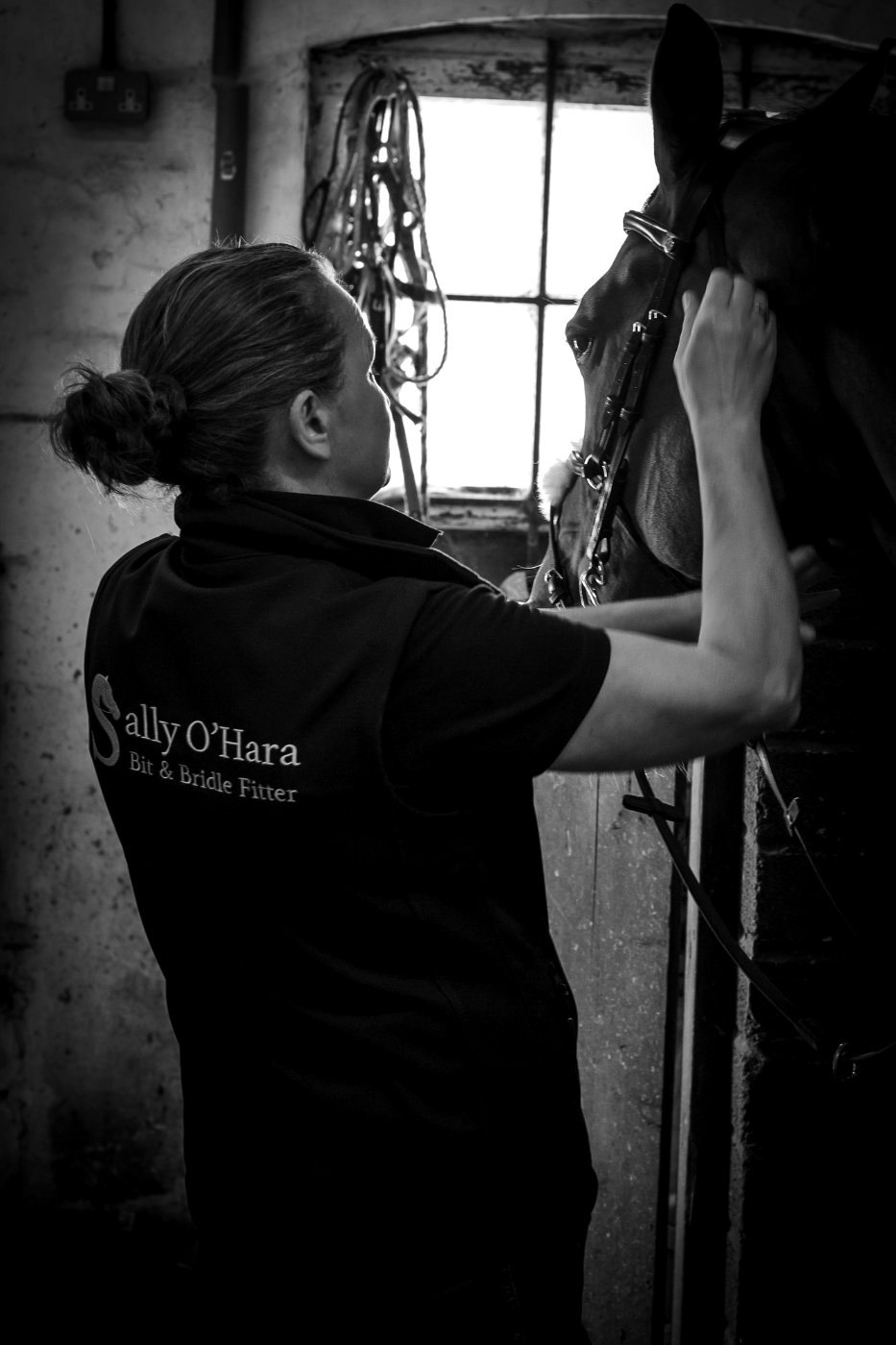
“If these nerves are compressed by a tight or poorly fitting bridle, the result can be anything from minor irritation to real pain and behavioural problems.”
The bit, too
Getting the right bit is just as important
Bits are a minefield. What metal does your horse prefer? Eggbutt or loose ring? Sleeved loose ring, fulmer, or full cheek? Barrel or lozenge? Some horses have fleshy lips, a big tongue and a low palate — and won't tolerate a chunky bit that presses into the roof of the mouth. A proper assessment of the inside of the mouth tells us which bit will actually suit.
Book a consultation →